

IT a.m. – Apr 9, 2026
Iranian Hackers Hit US Critical Infrastructure via Exposed PLCs
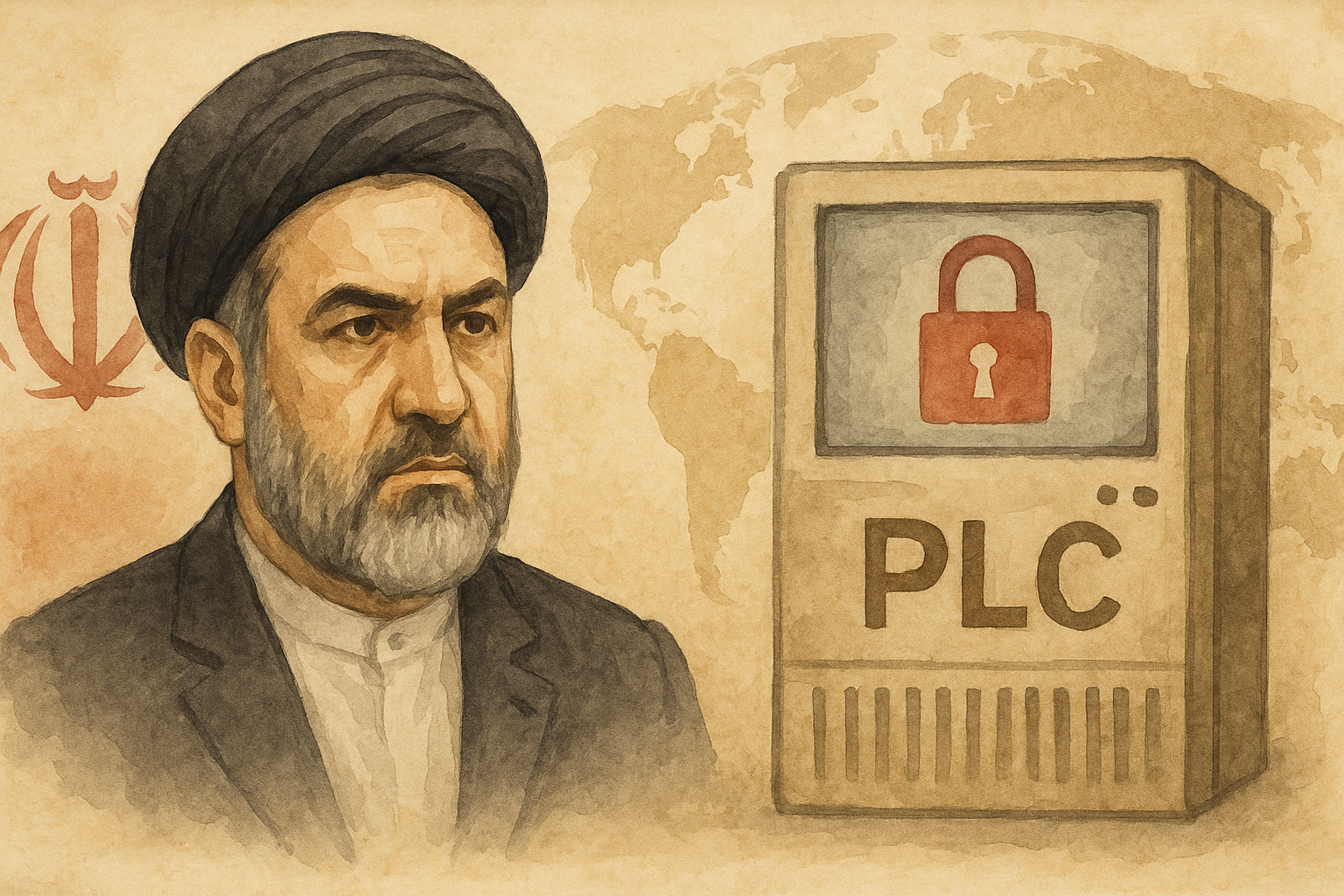
Iranian state-linked threat actors have been actively compromising internet-exposed programmable logic controllers (PLCs) across US critical infrastructure, according to Dark Reading. The attacks targeted OT devices in water, energy, and manufacturing sectors, causing file manipulation, operational disruptions, and financial losses.
- According to CISA advisories, the group known as CyberAv3ngers, linked to Iran’s IRGC, exploited default credentials on Unitronics Vision series PLCs. Water utilities were among the first confirmed targets, with at least one Pennsylvania facility breached.
- The attackers defaced HMI screens with anti-Israel messaging but also disrupted operations, highlighting that even unsophisticated OT intrusions can cause real-world impact when devices are internet-facing without proper segmentation.
- CISA urges organizations to immediately audit for internet-exposed ICS/OT assets, change all default passwords, enforce MFA on remote access, and implement network segmentation to air-gap critical control systems from IT networks.
🧠 AI News
Anthropic launched Claude Managed Agents, a cloud service that helps customers build AI agents. The offering shortens the development workflow from months to weeks by simplifying the deployment of production-grade agents.
🌩️ Cloud News
Uber is increasing its use of AWS-designed chips like Graviton and Trainium to support its AI systems. This reflects a broader trend of large companies rethinking how they run AI workloads in the cloud.
Snowflake announced interoperability enhancements aimed at reducing data movement, simplifying governance, and improving AI system access to enterprise data. The announcement centers on enabling organizations to access data across platforms more efficiently.
🛡️ Cybersecurity News
Microsoft locked the WireGuard developer’s account without notification, preventing the popular open source VPN maker from distributing software updates to users. This is the second high-profile developer to experience this issue.
A researcher released a working Windows zero-day exploit called BlueHammer that grants SYSTEM-level access to over 1 billion devices with no patch available.
🏗️ Infrastructure News
Dartmouth College completed its migration from VMware to Nutanix infrastructure, including Acropolis Hypervisor, years before enterprise procurement pressures intensified. The migration turned out to be a strategic infrastructure decision that positioned the university for AI readiness.
OpenAI is pausing its Stargate AI infrastructure project in the UK due to high energy costs as it controls spending before its anticipated IPO.
⚙️ DevOps News
Sazabi is emerging from stealth mode with a platform that challenges conventional monitoring by focusing exclusively on log data and using AI agents to automate analysis. The company positions its technology as a departure from traditional observability stacks.
GitHub announced general availability of custom images for hosted runners, enabling teams to use GitHub-approved base images and construct virtual machine images that meet their specific needs.
📈 M&A News
Pacific Investment Management Co. is looking to sell a portion of the $14 billion debt financing for Oracle’s Michigan data center.
💻 IT News
Tata Consultancy Services exceeded quarterly earnings estimates by reducing costs to manage slowing demand during geopolitical tensions.
According to JLL, Hyperscalers Will Own Two-Thirds of Data Centers by 2031
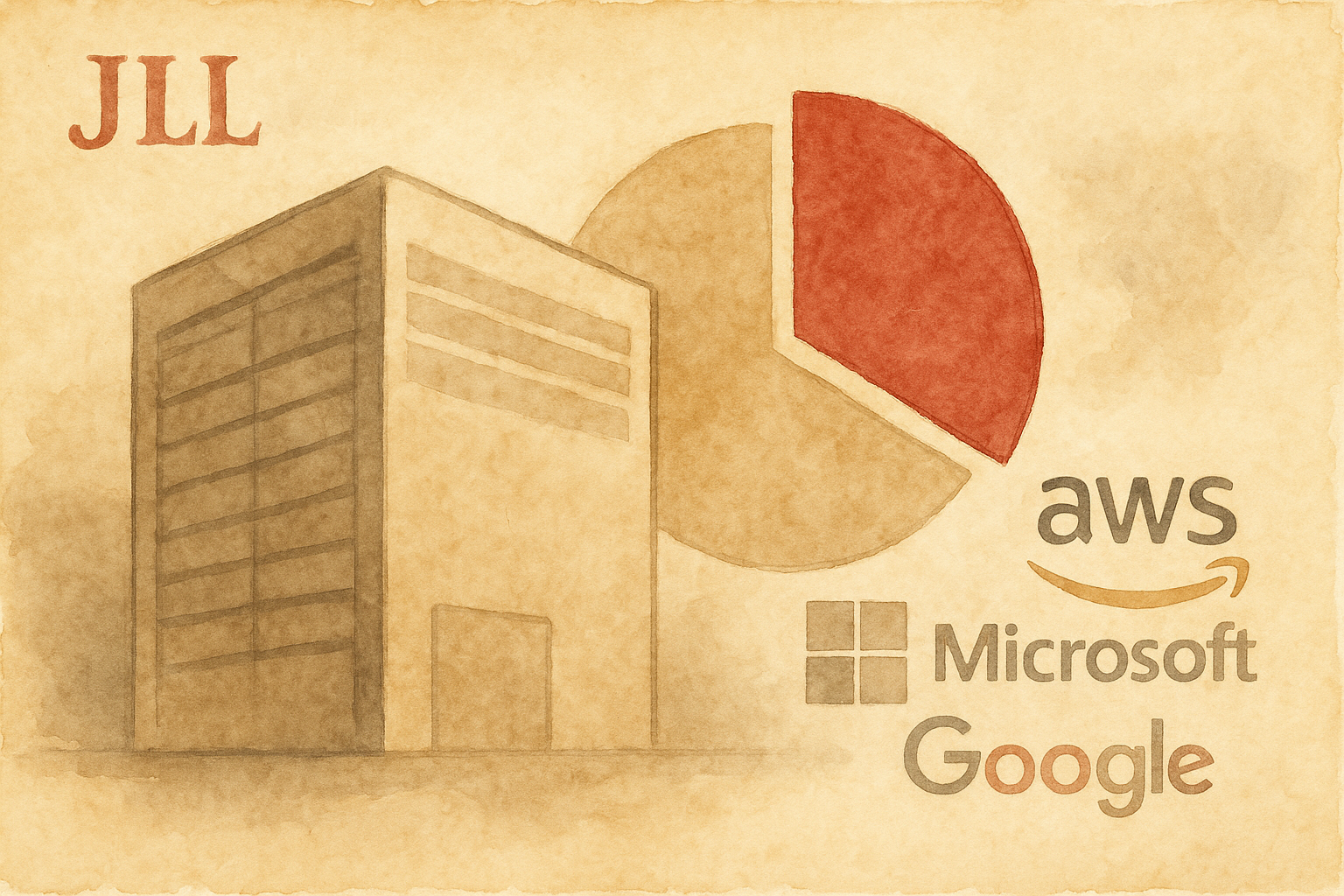
AI demand is accelerating a massive power shift in infrastructure. According to CIO Dive, a JLL report projects hyperscalers will control 67% of global data center capacity by 2031 – up from roughly 50% today – fueled by surging AI workloads and unprecedented capital spending.
- According to JLL, North America leads with 60% of capacity under construction. Hyperscaler capital expenditure plans for 2025 alone top $300 billion, dwarfing most enterprise IT budgets entirely.
- The report notes power constraints are the key bottleneck. Average data center power density is rising fast, and securing energy capacity is now a top competitive differentiator for providers.
- For IT leaders, this trend deepens cloud dependency and narrows leverage. Organizations should stress-test exit strategies, negotiate long-term pricing protections, and evaluate hybrid options before consolidation limits their choices further.
🔎 Dive Deeper
Goldman Sachs research shows AI is eliminating 16,000 US jobs per month, with entry-level workers and women most affected.
Enterprise IAM faces increasing fragmentation across applications, teams, and machine identities, requiring Identity Visibility and Intelligence Platforms to manage the growing attack surface.
Cloudflare and ETH Zurich highlight how AI-driven crawler traffic challenges traditional caching in CDNs and databases, proposing AI-aware strategies including separate cache tiers and adaptive algorithms.
Apollo Private Equity Co-Head discusses how AI complicates software company valuations and how dealmaking continues despite uncertainty.
As digital technology becomes central to business operations, 67% of CIOs aspire to become CEOs, according to 2025 Deloitte research.
As business leaders fund more AI projects, they will need Tier 1 relationships with key providers that focus on cocreating business impact. Strategic partnerships are becoming essential for successful AI implementation.
🎧 Latest Podcasts
🎧 Apr 9, 2026
🎧 Apr 8, 2026
🎧 Apr 8, 2026
🎧 Apr 7, 2026
🎧 Apr 7, 2026
🎧 Apr 8, 2026
🎧 Apr 7, 2026
🎧 Apr 8, 2026


